Pulse Multi-Brand Design System & Token Engine
Unifying 4 product squads under 64 accessible components, logical RTL/LTR parity, and live token sync.
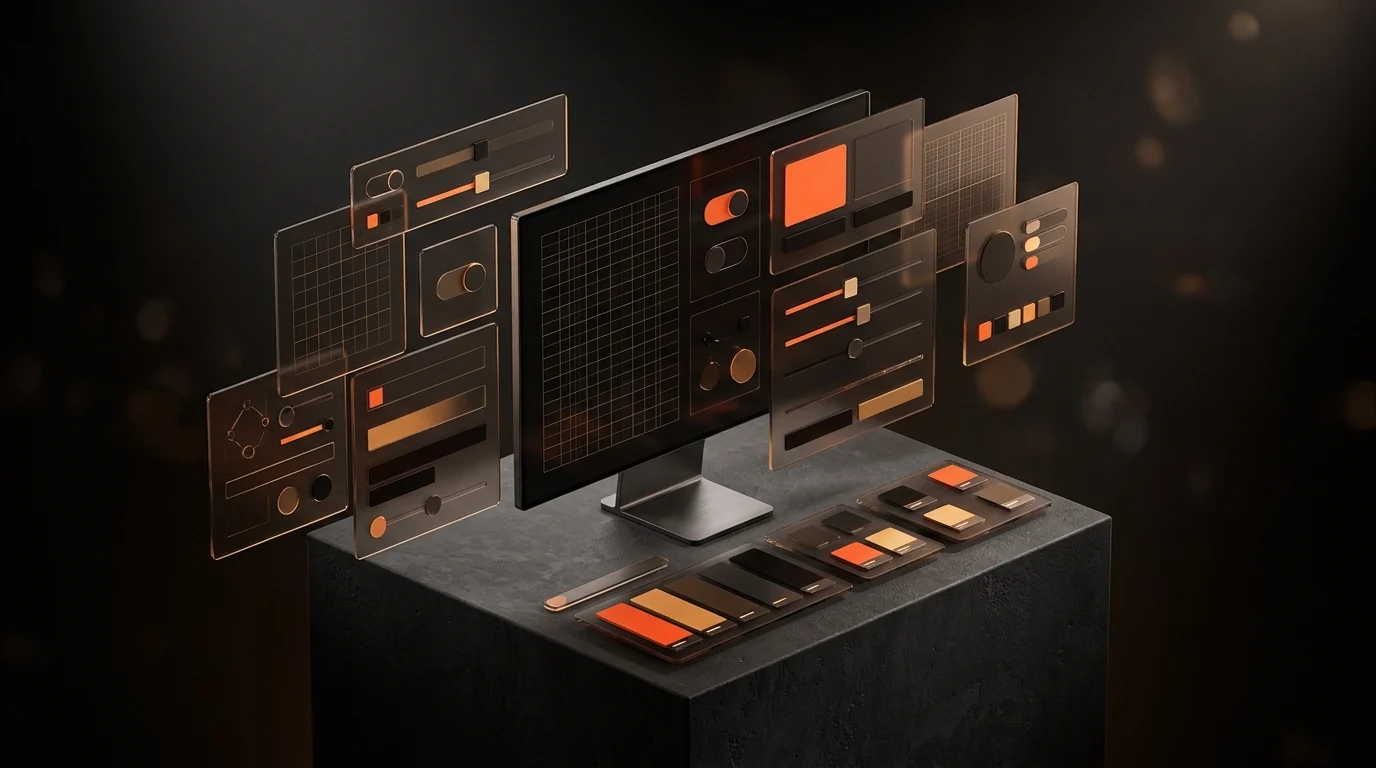
Pulse Multi-Brand Design System & Token Engine — Tokens, Typography & Live UI Kit
Click any brand token swatch below to copy its HEX value and live-theme the interactive component kit for this product.
Space Grotesk + Vazirmatn (RTL) + JetBrains Mono
8px Spatial Scale • 12-Col Responsive • 14px Control Radius
From Problem Framing to Shipped Craft
Discovery & User Research
Four squads accumulated 17 conflicting gray scales, low-contrast dark surfaces, and brittle CSS overrides.
Audited cognitive bottlenecks, conducted contextual user interviews, and mapped friction points to eliminate redundant decision steps.
Challenge
Four squads accumulated 17 conflicting gray scales, low-contrast dark surfaces, and brittle CSS overrides.
Shift
Architected a 3-tier semantic token system with logical RTL/LTR rules and automated variable export.
Research & Multi-Squad Audit
As Pulse grew from a single analytics dashboard into four enterprise tools, UI drift began taxing every release cycle. Auditing the codebase uncovered seventeen conflicting gray scales, hardcoded dark-mode overrides, and inconsistent table-filter patterns rebuilt independently by each squad.
Three-Tier Token Architecture
We replaced raw hex bindings with a three-tier semantic variable architecture—Primitive, Semantic, and Component—mirroring the exact live token engine running this portfolio. Every Figma Variable exported directly into versioned JSON and compiled cleanly into CSS custom properties on pull requests.
Bidirectional RTL/LTR Parity
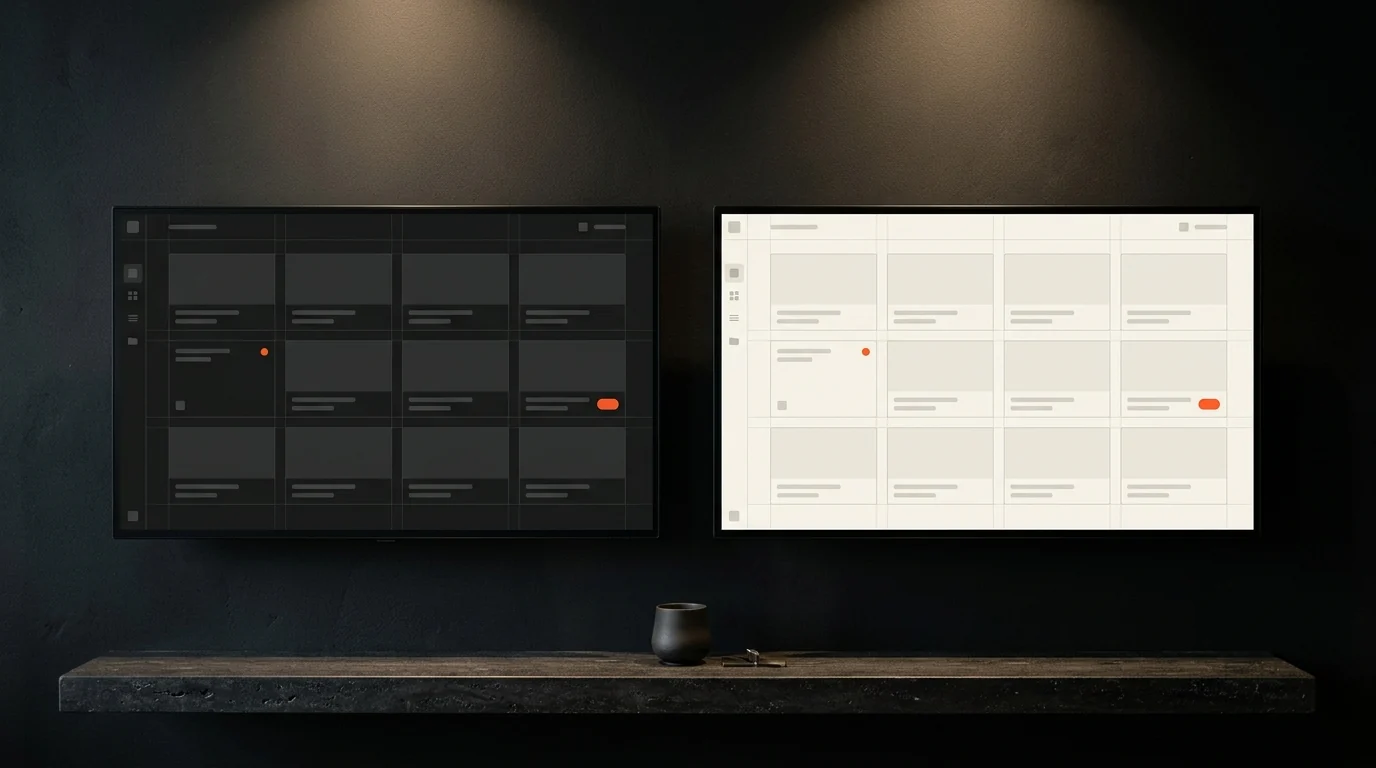
International teams needed seamless Persian and English rendering without maintaining forked stylesheets. We calibrated independent line-height scales, tabular numeric alignments, and WCAG AA contrast pairs across both light archival paper and obsidian dark themes.
Outcomes & System Governance
With sixty-four documented components shared across four autonomous squads, Design QA visual regressions dropped sharply and new feature views shipped from a single unified component library.